Physiology and Sensory Attributes: Human physiology, basic tastes and aromas
Identifying Sensorial Characteristics in Coffee: Perception of coffee taste and body, basic aromas, communication in sensory analysis, SCA Flavor Wheel
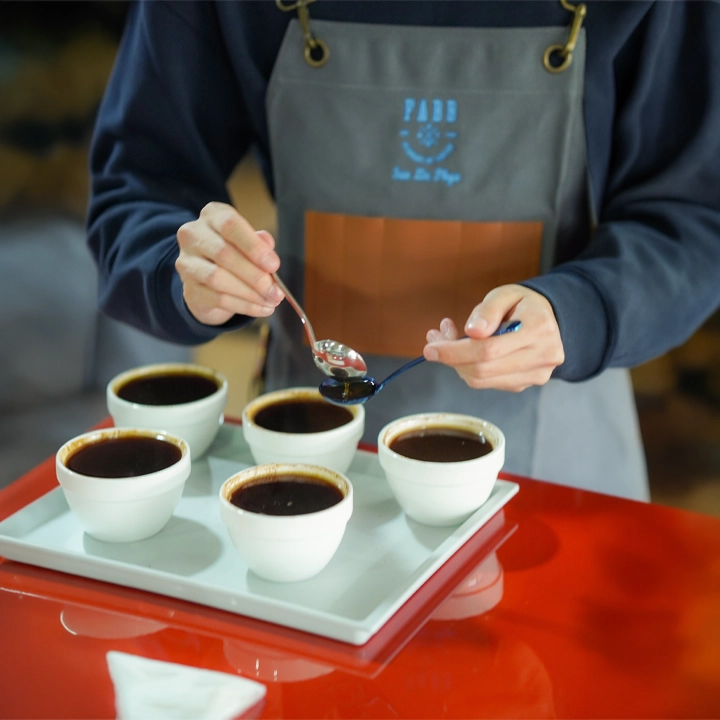
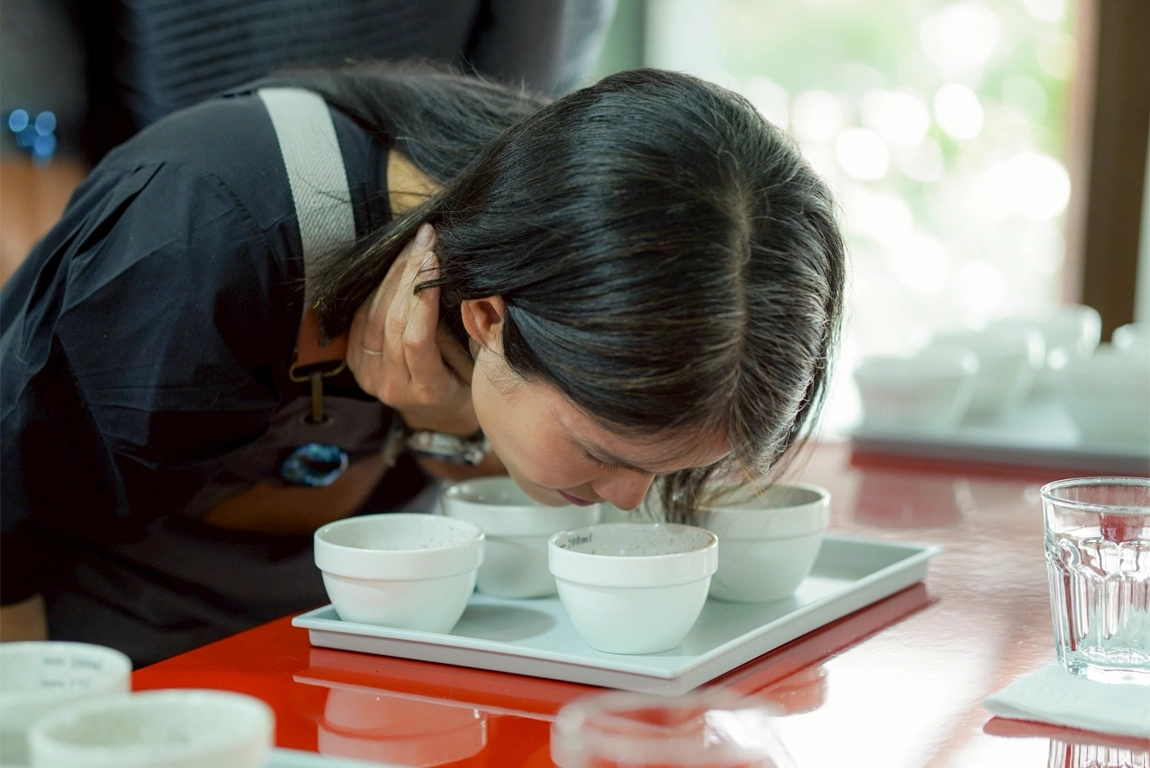
Cupping Protocol: Performing Cupping, SCA Cupping Methodology, equipment used in the cupping room
Cupping Forms in Use: Cupping forms not affiliated with SCA
Setting Up a Sensory Panel: Creating a sensory panel, selecting testers
Intermediate
Sensory Overview: Overview of Sensory Analysis, the 4-step sensory testing process
Physiology and Sensory Attributes: Taste and aroma, psychological effects
Triangular Testing: Triangular test
Cupping Session Operations: Key terminology, qualitative and quantitative forms
Cupping Forms in Use: Importance of standardized forms
Setting Up a Sensory Panel: Purpose and objectives of the sensory panel, venue requirements, best practices
Professional
Sensory Overview: Importance of Sensory Analysis.
Physiology And Sensory Attributes: Chain of sensory perception, sensation and perception, impact of stimuli interactions.
Bias & Error: Psychological biases, mitigating bias in sensory evaluation.
SCA Flavor Wheel & Wcr Lexicon: Application and taxonomy.
Gustatory Attributes In Coffee: Ranking intensity of gustatory attributes, distinguishing differences in quality.
Mouthfeel In Coffee:
Positive And Negative Attributes In Coffee: Cultural perceptions of flavors, assessing value in flavor attributes, common negative attributes.
Sensory Descriptive Profiling: Basics and sensory descriptive methods.
Applying Sca Cupping Protocol: Review and application of the SCA Cupping Protocol, calibration.
Sensory Panels & Calibration Applied: Objective sensory evaluation, preparing a training program.
Shelf Life, Consumer Testing And New Product Development: Planning for sensory testing design.